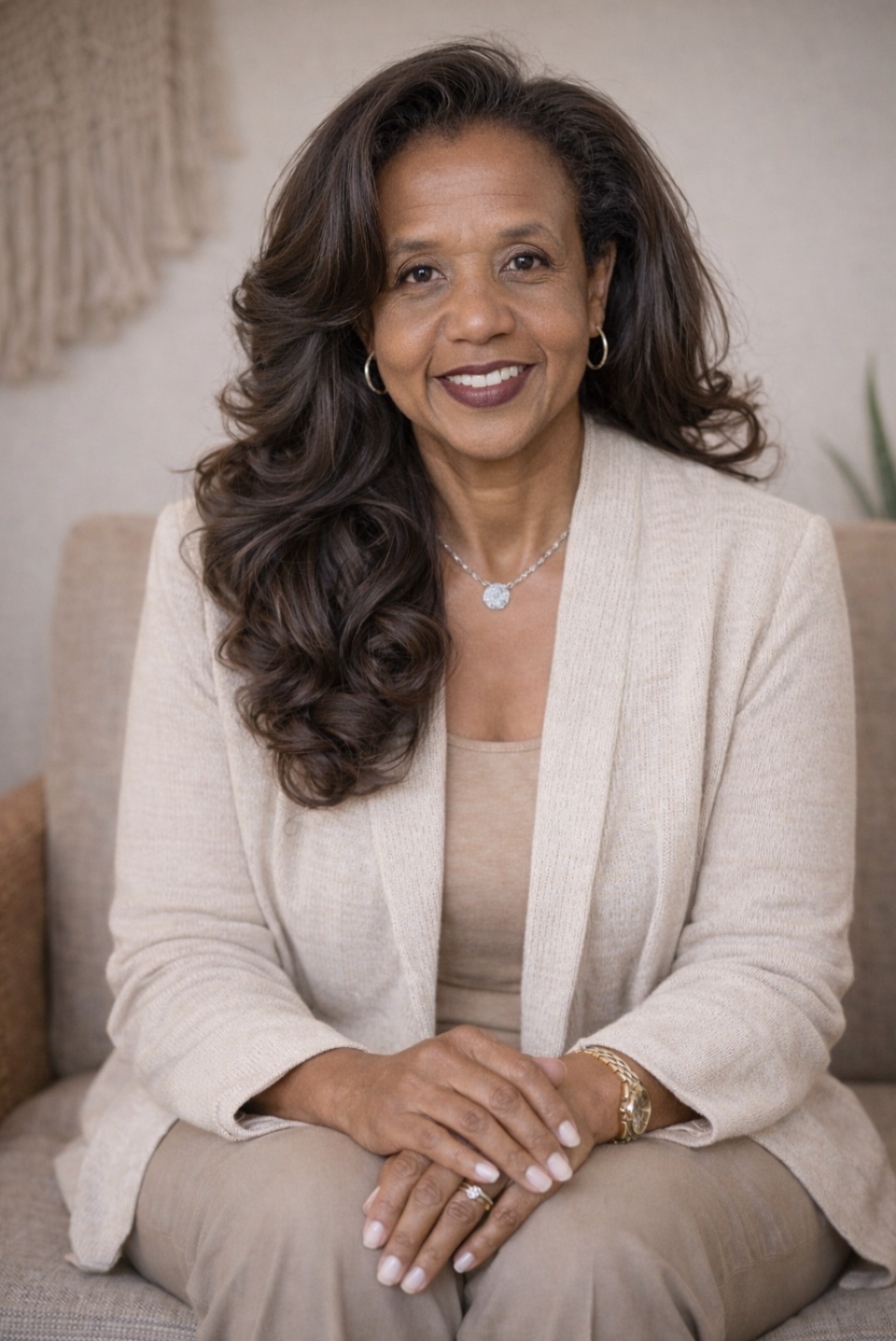
Naming What We Carry: Understanding Racial Fatigue, the Body, and the Need for Healing spaces”. By Jacqueline Johnson, MA., AMFT
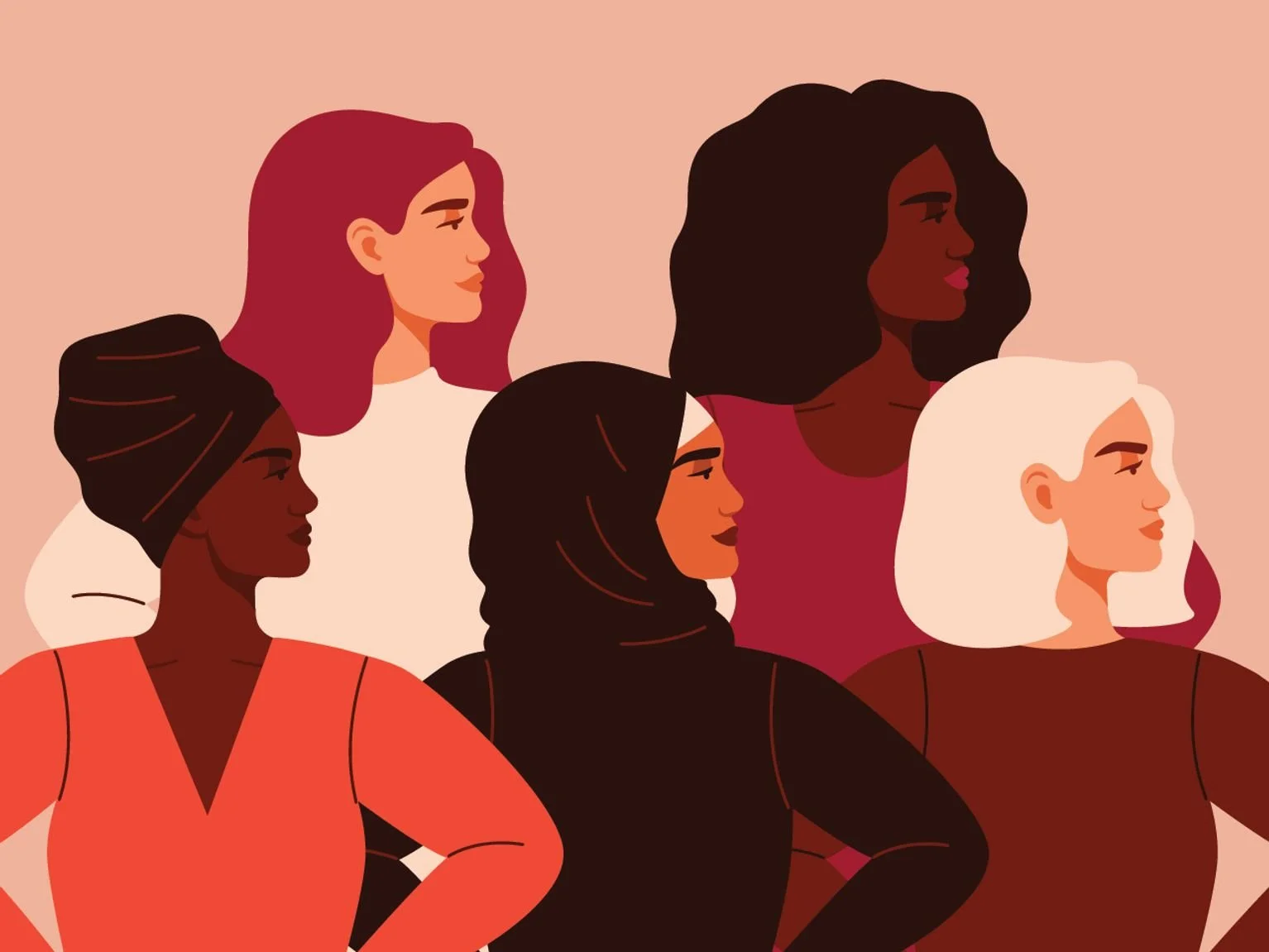
I want to begin by naming that I am sharing from my perspective as a Black woman. My lived experience has shaped how I understand race, belonging, visibility, and the ways stress can accumulate in the body over time. I also want to acknowledge that the term BIPOC holds many different lived experiences. It is not a monolith. Not everything who identifies as BIPOC moves through the world in the same way, and the impact of race and racism is not felt equally or in the same contexts.
Still, there are shared threads, particularly when it comes to the ways systemic and interpersonal racism can create a kind of ongoing exhaustion that is often unnamed, minimized, or misunderstood. This is where the language of racial fatigue or racial battle fatigue becomes important.
What Is “Race/BIPOC Fatigue”?
Racial fatigue, sometimes referred to as racial battle fatigue, describes the cumulative emotional, psychological, and physiological toll of navigating racism over time.
It is not just about one incident, it is about the build-up.
The microaggressions
The need to constantly assess safety
The emotional labor of code-switching
The internal calculations about how to respond—or whether it is safe to respond at all
Over time, this creates a chronic state of stress that can be both visible and invisible.
Some people describe it as:
Feeling constantly on edge
Emotional exhaustion that rest alone does not fix
A sense of vigilance that never fully turns off
Why Naming This Experience Matters
There is something powerful about having language for what we are experiencing.
Without language, many people internalize:
“Something is wrong with me”
“I should be able to handle this better”
“Why am I so tired all the time?”
Naming racial fatigue shifts the narrative from personal deficiency to contextual reality.
It says:
“Your body is responding to real, repeated stress.”
And that shift matters.
Because healing cannot begin from a place of self-blame.
It begins with understanding.
Racial Stress Lives in the Body
Racism is not only a social or psychological experience, it is also a physiological one.
Chronic exposure to stress, especially stress tied to identity and safety, activates the nervous system in ongoing ways.
This can show up as:
Difficulty sleeping
Muscle tension or fatigue
Anxiety or hypervigilance
Emotional shutdown or numbness
Digestive or stress-related health issues
The body learns to stay prepared.
Even when there is no immediate threat, the nervous system may remain in a state of activation because it has learned that unpredictability is part of the environment.
Why Therapists and Community Spaces Must Address This
When racial fatigue is not acknowledged in therapeutic or community spaces, something important is missed.
Clients may:
Feel unseen or misunderstood
Minimize their own experiences
Disconnect from support systems
Culturally responsive care is not just about awareness—it is about naming, validating, and holding space for these experiences without requiring explanation or justification.
Healing spaces should:
Recognize the impact of systemic stress
Allow for complexity within identity
Offer both individual and collective support
Because healing does not only happen in isolation—it also happens in community.
An Invitation to Reflect
If any of this resonates with you, you might gently ask yourself:
Where do I notice exhaustion that feels deeper than just being “busy”?
What has my body been holding that I haven’t had language for?
What would it feel like to have that experience named and validated?
Journal Prompts for Reflection & Healing
You might choose one or two of these and sit with them gently:
When do I feel most aware of my identity in ways that feel heavy or exhausting?
What are some experiences I’ve had that I may have minimized or pushed aside?
How has my body been responding to stress in ways I haven’t fully acknowledged?
Where do I notice tension, fatigue, or emotional shutdown in my body?
What does “rest” actually feel like for me—and when do I feel most able to access it?
In what spaces do I feel most safe to be fully myself? What makes those spaces different?
What would it feel like to not have to explain, justify, or minimize my experience?
What kind of support—individual or communal—might feel nourishing to me right now?
A Gentle Invitation to Heal in Community
If this resonates with you, I want to gently share that you do not have to hold this alone. I offer in person therapy in Willits, CA and virtually throughout California for individuals and couples wanting to explore their worlds and identities more.
I will be offering a virtual Black Fatigue reflection and processing group inspired by the work of Black Fatigue—by Mary Frances Winters, a space to slow down, reflect, and be in community with others who may be carrying similar, and also uniquely different, experiences.
This will be a safe, supportive space—not about pressure or performance, but about:
being witnessed
having language for what you’ve carried
and creating room for breath, reflection, and connection
There is no expectation to share beyond what feels comfortable.
Just the option to come as you are.
In Closing
You are not imagining it racial fatigue.
You are not overreacting.
And you are not alone in this experience.
There is nothing wrong with your body for responding to prolonged stress.
There is something deeply right about it trying to protect you.
And there is also space—slowly, gently—for your body to experience rest, support, and healing.